Hollywood Smile vs. Smile Makeover: What’s Best for You?
Hollywood Smile vs. Smile Makeover: What’s Best for You?
Deciding how to change your smile is a practical, aesthetic, and deeply personal decision. This guide strips away marketing jargon and delivers the exact information you need to choose a procedure that matches your goals, your teeth, and the life you lead.
Below you’ll find a precise explanation of both procedures, the typical treatments involved in each approach, the advantages and trade-offs you should weigh, an explanation of veneer types, easy maintenance advice, and quick answers to the key questions people ask when they’re considering cosmetic dental treatment Dubai.
Throughout this piece, you’ll see how each option serves different needs: one prioritizes uniform, high-impact aesthetics and long-term color stability, while the other prioritizes conservation of natural tooth structure and a result that integrates seamlessly with your facial features.
If you want to see realistic previews and a clinically honest roadmap for either option, Le Denté can create a tailored digital mock-up so you know exactly what to expect.
What is a Hollywood Smile?
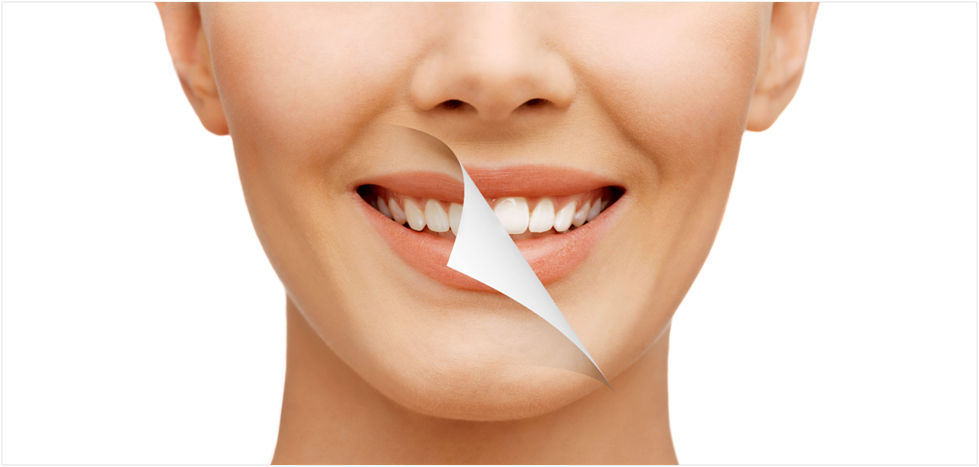
Hollywood Smile Dentist in Dubai is a comprehensive cosmetic strategy designed to create an unmistakably uniform and high-contrast appearance across the visible teeth. A Hollywood smile is a full-arch transformation that gives uniform shape, even spacing, very white shades, and impeccable symmetry. It has a bright, even, and stylish look that looks good in photos from any angle. To achieve this, you typically need comprehensive treatment across multiple teeth, often involving porcelain veneers or crowns, to ensure consistent results.
What Typical Procedures are Included In a Hollywood Smile
- Full-arch porcelain veneers or crowns to create a uniform appearance.
- Gum contouring to even out the gum line and show the “right” tooth length.
- Orthodontic prep (clear aligners or braces); when alignment needs correction before restorations.
- Tooth reshaping or minor extractions to make room for the new design.
- Occasional whitening of any remaining natural teeth to blend color before restorations are placed.
Advantages of a Hollywood Smile
- Dramatic, instantly recognizable results.
- High degree of predictability — the dentist designs the smile and then builds to that plan.
- Porcelain resists stains better than natural enamel, keeping the look bright for years.
- Excellent choice when many teeth have damage or when severe discoloration can’t be fixed conservatively.
What is a Natural Smile Makeover?
A natural smile makeover aims to enhance what is already there by using conservative treatments that preserve enamel, maintain tooth vitality when possible, and create a result that reads as the patient’s own smile — only healthier and better proportioned. The objective is to correct the specific issues that matter to the patient, whether that means closing a gap, whitening adjacent teeth, repairing small chips with bonding, or placing minimal-prep veneers where needed, and to do so using as little irreversible alteration as possible.
Common Procedures for a Natural Smile Makeover
Typical interventions in a natural makeover include professional whitening, targeted composite bonding for chips and gaps, minimal-prep porcelain or lithium disilicate veneers for selective teeth, short-term orthodontic alignment with clear aligners, and periodontal care to ensure the gums provide a healthy frame for the teeth; the clinician’s emphasis is on combining the least invasive methods that achieve the desired visual improvement while also preserving long-term tooth health.
Which One Is Right for You?
The right choice depends on three concrete considerations:
(1) the extent of the issues to be addressed — extensive discoloration, multiple misshapen teeth, or previous failed restorations often point toward a Hollywood approach, while localized concerns suggest a natural makeover;
(2) your tolerance for irreversible tooth preparation — Hollywood smiles frequently require more enamel reduction, whereas natural makeovers prioritize conservation; and
(3) your aesthetic preference and lifestyle — if you require consistently bright, low-maintenance results for public-facing work, porcelain restorations may be preferable, but if you want a subtler look that is easier to repair and evolve over time, a conservative plan will usually serve better.
At Le Denté, we present both realistic mock-ups and a sequenced treatment plan so you can weigh outcomes, risks, and maintenance before committing.
Hollywood Smile vs. A Smile Makeover – Comparison Chart
| Feature | Hollywood Smile | Natural Smile Makeover |
|---|---|---|
| Visual impact | Very high — dramatic | Subtle — harmonious |
| Tooth preparation | Often more invasive | Generally conservative |
| Typical materials | Porcelain veneers/crowns | Composite, minimal-prep veneers, selective porcelain |
| Longevity | 10–20+ years (with care) | 5–20+ years (varies by material) |
| Best for | Full transformations | Enhancements, preservation |
What are the Different Types of Veneers?
Understanding veneer materials clarifies both cost and longevity. Porcelain veneers are the benchmark for aesthetics and stain resistance and are a frequent choice for Hollywood smiles because of their long-term color stability and translucency; lithium disilicate (often sold as e.max) offers exceptional strength with natural translucency and is ideal for front teeth that require durability as well as beauty; composite veneers are applied directly and preserve more tooth structure while being more affordable and easier to repair, but they stain and wear faster; minimal-prep or ultra-thin veneers are available when only subtle shape changes are needed and preserving enamel is a priority. Your clinician will recommend materials based on tooth health, bite dynamics, and the intended aesthetic.
How to Take Care of Your Hollywood Smile
Long-term success is rooted in realistic everyday habits and predictable maintenance:
- Brush gently twice daily with a non-abrasive toothpaste, and floss daily to prevent margin decay.
- Use a custom nightguard if you grind or clench to protect ceramic surfaces.
- Schedule hygiene and exam appointments every six months so early problems are caught before they escalate.
- Avoid prolonged exposure to staining substances when possible
- Present promptly for repairs if a chip or debonding occurs because timely intervention prevents more complex restorative needs.
Le Denté provides individualized maintenance plans and fabrication-grade nightguards to protect your investment and extend the life of your restorations.
FAQs
1. What is the difference between a Hollywood smile and a smile makeover?
A Hollywood smile is a cohesive, often full-arch restorative plan that prioritizes visual uniformity and typically uses porcelain veneers or crowns to achieve a high-contrast, camera-ready aesthetic; a smile makeover is a broader category that may be purely cosmetic or include functional upgrades, and it usually emphasizes conservative, individualized solutions that preserve natural tooth structure where possible.
2. Which option lasts longer, a Hollywood smile or a smile makeover?
Longevity depends on materials and care. Porcelain on well-prepared teeth can last 10–20 years or more. Composite and minimal interventions may need touch-ups earlier, but are easier and cheaper to repair.
3. How much does a Hollywood smile cost compared to a smile makeover?
Costs vary widely. A full Hollywood smile (multiple porcelain veneers or crowns) is typically more expensive than a conservative makeover that uses whitening, bonding, or selective veneers. A consultation will give a clear, personalized estimate.
4. Who is the best candidate for a Hollywood smile vs. a smile makeover?
Choose Hollywood if you want a dramatic, uniform look or have many teeth needing correction. Choose a natural makeover if you want to preserve enamel, prefer a subtle change, or only need targeted improvements.
5. Are there any risks or side effects with Hollywood smiles or smile makeovers?
All restorative work carries potential risks, including sensitivity, the possibility of needing root canal therapy if preparation is extensive, marginal decay if hygiene lapses, and the eventual need for repair or replacement; choosing a clinician who prioritizes conservative options when appropriate, who performs thorough diagnostics, and who discusses realistic maintenance requirements reduces the likelihood of avoidable complications.
Suppose you would like to preview both options on your own smile and receive a detailed treatment outline. In that case, Le Denté will produce a digital mock-up and a step-by-step plan that clarifies timing, materials, and maintenance so you can make a confident, informed choice. Learn more or book a consultation at https://www.ledente.com/.