
Full Mouth Rehabilitation: How to Rebuild a Smile from Scratch
Full Mouth Rehabilitation: How to Rebuild a Smile from Scratch
Rebuilding a whole smile can feel like a significant transformation, and it is. But it’s also one of the most genuinely rewarding journeys: fixing pain, restoring function, and giving someone back the freedom to eat, laugh, and speak without worry.
This guide walks you through what Full Mouth Reconstruction Dubai actually is, why people choose it, who benefits most, the step-by-step process, the technology that makes it predictable, and a few real patient stories from our clinic.
What is Full Mouth Rehabilitation?
To put it simply: full mouth rehabilitation is a carefully planned program that restores every aspect of your oral health, including the teeth, the bite, the gums, and the jaw. While cosmetic treatments Dubai can change the appearance of teeth, full mouth rehabilitation addresses how teeth work together, how your jaw moves, and how your entire mouth functions every day. The aim is to build a durable, comfortable, and beautiful smile that enhances your lifestyle.
Why People Choose It — The Benefits
A successful full mouth rehabilitation does more than make teeth look nicer. Typical benefits include:
- Reliable chewing and comfortable eating.
- Relief from jaw or facial pain related to bite problems.
- End to recurring dental failures like cracked fillings or repeated root canals.
- A stable, long-lasting solution rather than a string of temporary fixes.
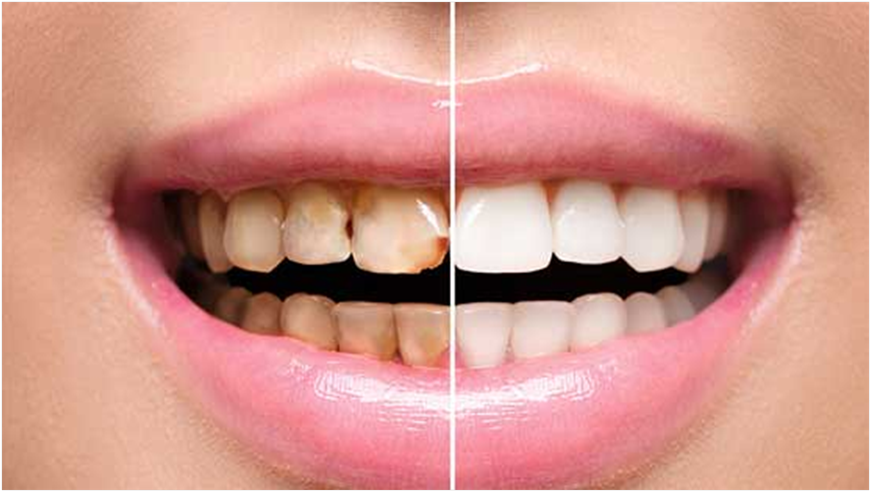
- A natural-looking smile that complements your face.
At its best, a full mouth plan restores both health and confidence, not just a smile in the mirror, but the everyday comfort of a mouth that works the way it should. Le Denté approaches every case with that practical, long-term view.
| Area | What You Gain |
|---|---|
| Functionality | Eat, chew, and speak like normal |
| Health | Eliminate decay, infection, and gum issues |
| Aesthetics | Natural, white, symmetrical smile |
| Confidence | No more hiding your teeth or smiling awkwardly |
| Durability | Results that last 10–20 years or more |
Should Consider Full Mouth Rehabilitation?
This is for people whose dental issues are more than a single tooth or stubborn stain. Common situations include:
- Worn or shortened teeth from grinding or acid erosion.
- Multiple failing restorations (crowns, bridges, large fillings).
- Bite collapse that makes teeth look shorter or causes chewing problems.
- Several missing teeth affect the way the upper and lower jaws meet.
- Recurrent infections, complex trauma, or congenital tooth problems.
- Ongoing jaw pain, headaches, or TMJ symptoms are tied to how the bite functions.
If you’ve experienced the same dental problem repeatedly, if simple repairs don’t last, or if pain and function are your primary concerns, a full-mouth approach may be what finally addresses the underlying cause.
The Treatment Process — Step-by-Step
- Thorough assessment. We begin with a full medical and dental history, high-quality photos, digital scans, X-rays, and often 3D imaging. We’re looking not only at teeth but at jaw joints, muscle function, and how your bite closes.
- A detailed plan you can see. Using models and digital mock-ups, we design the final result before we touch a tooth. You’ll preview shape, size, and function so there are no surprises
- Stabilize what’s urgent. Infections, decayed teeth, gum disease, and painful issues are treated first. Stabilizing the mouth protects the final work.
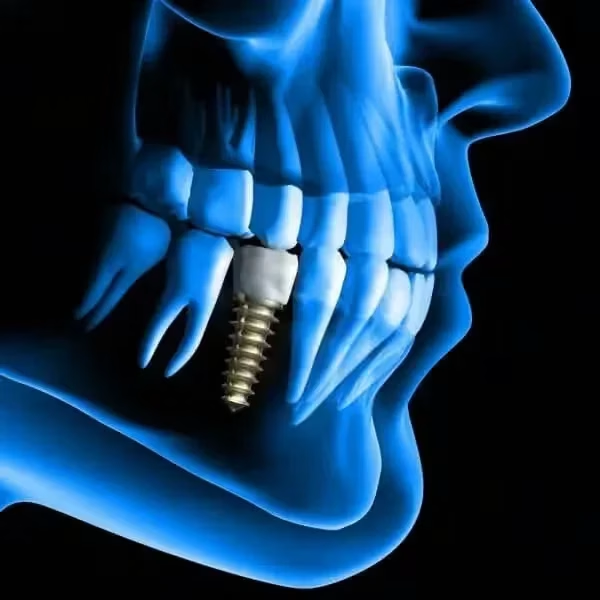
- Build the foundation. This might include root canals, periodontal treatment, extractions, or implants, whatever creates a healthy base for long-term restorations.
- Restore function. We re-establish the correct bite height and jaw relationships with temporary restorations and adjustments, making sure your mouth behaves correctly before the final work.
- Final restorations. When everything is stable, we place the long-lasting crowns, bridges, veneers, or implant-supported teeth that will carry you forward.
- 7. Protect and maintain. We supply night guards for grinders, teach a maintenance routine, and schedule follow-ups so small issues never become big ones.
Throughout, specialists (periodontists, oral surgeons, orthodontists) join the team when a particular skill is needed. The goal is one coordinated plan, not scattered fixes.
The Modern Tools We Use
Precision and predictability matter in full mouth rehabilitation. Our clinic uses advanced tools to plan and deliver superior results:
- Digital scanning replaces messy impressions and gives us exact models of your mouth.
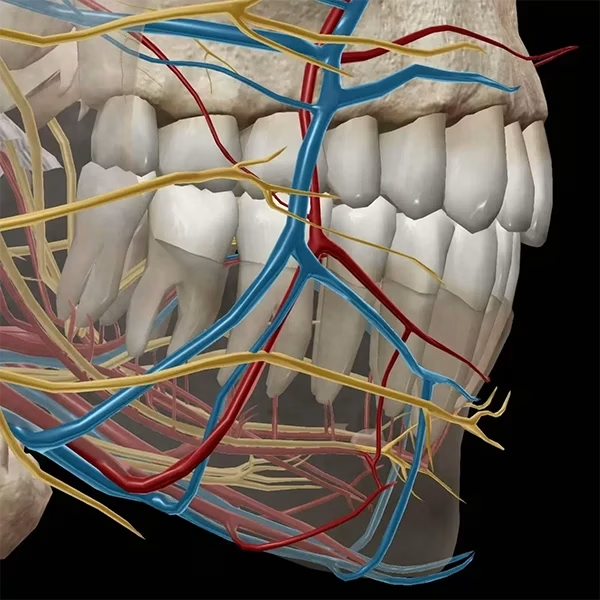
- 3D CBCT imaging reveals bone, nerves, and joint anatomy, so implant placement and surgical steps are safer.
- Computer-guided implants allow accurate, minimally invasive placement.
- CAD/CAM restorations let us mill well-fitting crowns and bridges in highly durable materials.
- Digital smile previewing shows the expected outcome before treatment starts.
- Occlusal analysis tools help balance bite forces so restorations last longer.
Le Denté uses these tools to reduce discomfort and increase predictability across the whole rehabilitation.
Real Patients, Real results
- A patient in their 50s had ground their teeth down and developed chronic jaw pain. A staged plan with temporary restorations, crowns, and a night guard restored vertical height and relieved pain. The patient now eats comfortably and no longer wakes with headaches.
- One patient had repeated infections around old bridges. We removed unsalvageable teeth, placed implants with guided surgery, and delivered fixed implant restorations. They trade ongoing dental drama for a care routine that’s simple and dependable.
- Another patient had a collapsed bite that made them self-conscious. Orthodontic treatment alignment followed by conservative porcelain crowns produced a natural, age-appropriate smile and improved chewing function.
These outcomes reflect careful planning and real results: Each case at Le Denté is tailored, and these examples clearly illustrate the distinction between a temporary fix and a lasting solution.
FAQs
1. What is full mouth rehabilitation, and how is it different from a smile makeover?
Full mouth rehabilitation is a comprehensive, functional rebuilding of the entire mouth, addressing bite, function, and overall health. A smile makeover focuses mainly on cosmetic improvements (color, shape) and may not correct bite or functional issues.
2. Who is a good candidate for full mouth rehabilitation?
Good candidates have widespread dental damage, bite collapse, multiple failing restorations, missing teeth, or chronic TMJ symptoms. A thorough evaluation determines candidacy and sequencing.
3. What procedures are commonly involved?
Expect a mix tailored to your needs: crowns, bridges, implants, veneers, root canal treatment, gum therapy, orthodontics, and occlusal adjustments. The work is staged to protect function at each step.
4. How long does the whole process take?
It depends on complexity. Some programs finish within a few months; others, especially when orthodontics or multiple surgeries are needed, can take a year or more. The planning phase makes timelines realistic and transparent.
5. What should I expect in recovery and maintenance after treatment?
Individual procedures have brief recovery windows. Long-term success depends on hygiene, regular checkups, and wearing protective appliances if recommended. Many patients notice immediate comfort and gradual improvement in chewing and jaw symptoms as the healing process is completed.
If your teeth feel shaky, if pain is constant, or if you’ve grown tired of band-aid fixes, a full mouth rehabilitation is worth exploring. It’s a thoughtful, staged process that replaces uncertainty with a plan that works.
To learn more or arrange a consultation, visit https://www.ledente.com/. At Le Denté, we design solutions that fit how you live — practical, durable, and naturally beautiful.